
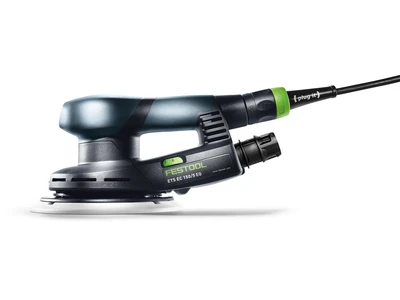
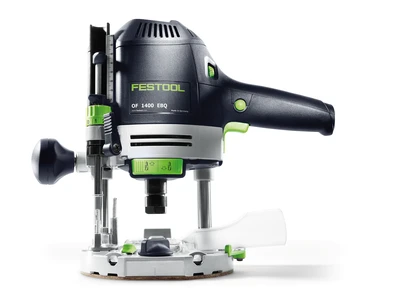
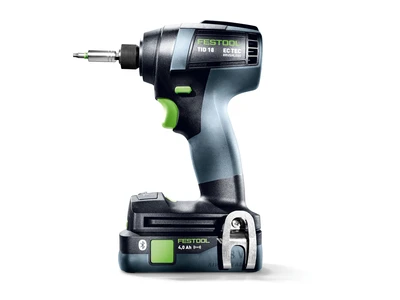
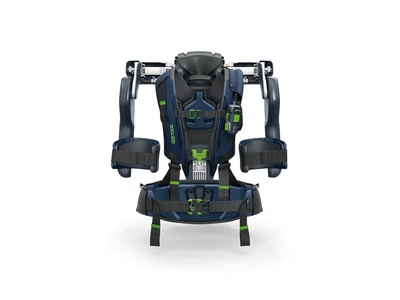
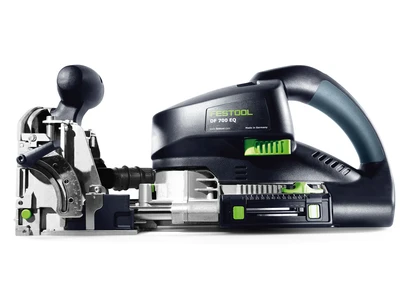
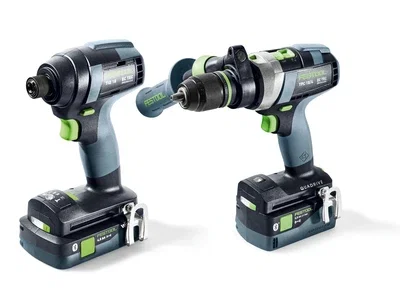
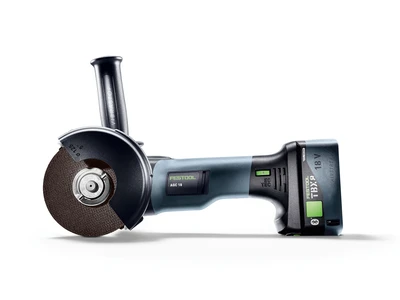
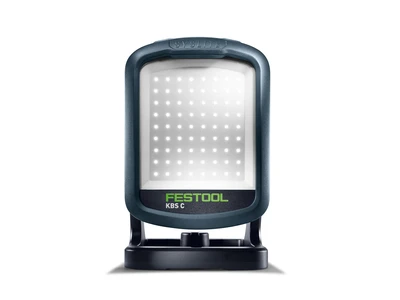
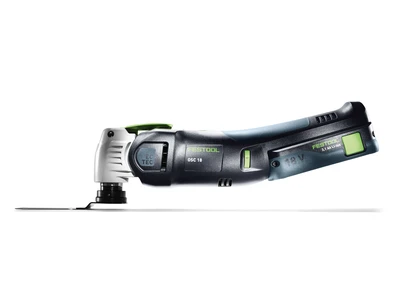
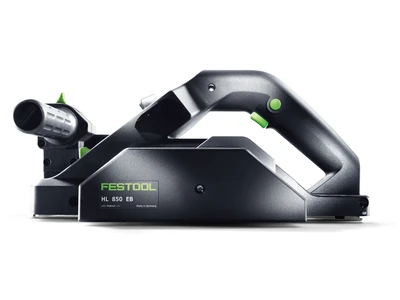
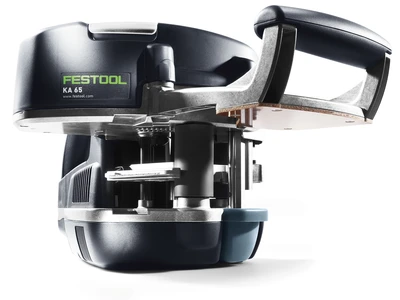
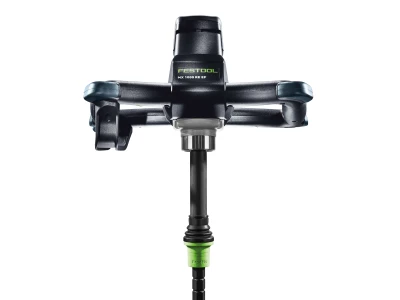
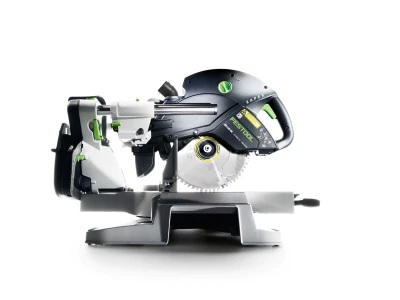

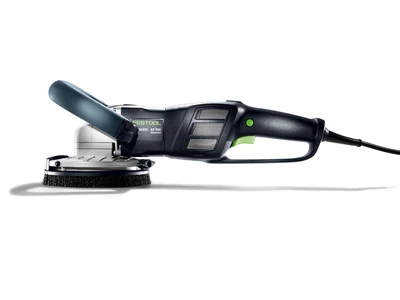

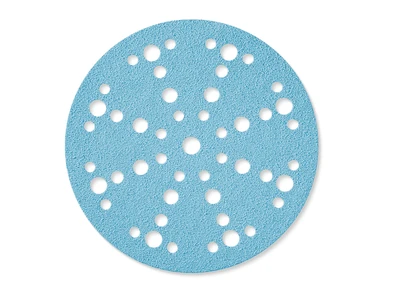

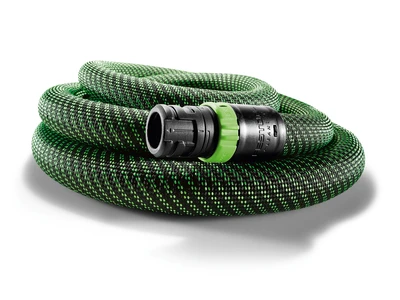




Festool Guard technology - Protect yourself at work.
Festool tools recognise the dangers before you do.
- They protect you from acute injuries
- Safeguard your health

For every application, every dust class and every location, we offer you an uncompromising connection between your dust extractor and Festool tool. So you have less cleaning effort, more cleanliness and better air quality. Whether on the construction site or in the workshop.
Find out moreAll work generates dust. It's generated when sawing, routing, sanding or drilling. And of course also during work that cannot be vacuumed at all. Your dust extractor can capture majority of the dust, but a small amount ends up in the air as invisible airborne dust.
Dust that is generated is divided into three classes. These indicate the extractor's suitability for any given dust and the specified maximum allowable concentrations. Festool offers wet and dry extractors for these dust classes.
The use of dust class M or H extractors is stipulated for industrial applications.
You can find further information about dust classes here.

Woodworking: Routing, sawing, sanding and planing of soft and hard wood

Extracting mineral materials: Filler, cement, concrete, screed, tile cement or quartziferous materials such as sand and gravel, cuts of plasterboard and fibre board, cuts of cement-bonded board materials.

Extracting paint dust: Resin- and water-based clear coats, latex and oil paints

Cleaning work: Office, workshop, vehicle, household dust, gypsum, lime

Extracting carcinogenic dust: Pathogenic dusts that are contaminated with bacteria and germs, dust containing arsenic, asbestos, lead, wood protection impregnation, cadmium, mineral fibres, nickel, mould and zinc chromate

Work in zone 22: Dry, flammable and explosive materials, aluminium, paper, soot and powder-coating dust, GFRP and CFT.

Cordless extractors are perfectly tailored to the cordless Festool tools. As a result, cordless applications now offer 100% mobility and, above all, no dust.

Corded extractors are ideal for stationary and semi-stationary applications where small or large quantities of dust are generated. Both corded tools via the electrical outlet module and cordless tool via Bluetooth® are easy to connect to the mobile dust extractor and start it automatically.

Dust that is generated is divided into three classes. These indicate the extractor's suitability for any given dust and the specified maximum allowable concentrations (MAC). And they define the corresponding filter system's required degree of filtration. It is important to choose the dust class of your mobile dust extractor according to the material you work with.


Along with mobile dust extractors, we also offer services of outstanding quality. You are fully covered with the Festool SERVICE.
With our warranty all-inclusive*, for example:

Where there's planing, there's chipping. In other words: there is dust! Whether in the workshop or on the construction site, manual activities usually generate dust in varying quantities and particle sizes - all with a considerable impact:
- Dust hinders your work progress
- Can damage your tools and machines
- Can reduce the quality of your work
- Dust is harmful to your health
Therefore, chips and dust should not be released into the air in the first place, but should be extracted directly. At Festool, we offer you different vacuum cleaner models with different dust classes - depending on the activity and application, so that you can use the right vacuum cleaner for every job:
From small cordless vacuum cleaners for assembly work to large-volume workshop vacuum cleaners supplemented by extensive system accessories. All dust extractors can be quickly and safely connected to your Festool tool via the connection port. With a Festool vacuum cleaner, you can achieve high-quality, clean working results in less time, your customers and your health will thank you for it!
Correct dust extraction can capture up to approx. 90% of the dust, depending on the material and application. An air purifier filters the dust that your vacuum cleaner does not capture or that cannot be extracted at all. And thus improves the air quality.
An air purifier is therefore not a replacement for a vacuum cleaner, but a necessary addition. Dust extractor + Air purifier = best possible dust management!
Dust generated during work is categorised into three classes. This defines the suitability of the vacuum cleaner for the respective dust class and the occupational exposure limit values (OEL). The dust classes also define the degree of separation that the corresponding filter systems must provide for dust-free working. A distinction is made between
- Dust class L
- Dust class M
- Dust class H
Class L dust is considered "slightly" hazardous. Dust class L therefore includes simple and harmless dusts such as house dust, soil, lime, paints and varnishes.
Class M dusts are labelled as "medium" hazardous and include, for example, wood, concrete, cement and screed. This class is used for dust that has a MAC value of more than 0.1 mg/m³. For this, the permeability of the vacuum cleaner should correspond to up to 0.1 % (MAK = maximum workplace concentration) to enable almost dust-free working.
Dust class H, on the other hand, includes "highly" hazardous dusts with germs, bacteria, asbestos, viruses, mould, cadmium, formaldehyde, potassium dichromate or carcinogenic substances. This class applies to all dusts with a MAK value of less than or equal to 0.1 mg/m³ and a maximum vacuum permeability of 0.005 %.
As the sockets of the individual devices vary, it is not possible to make a general statement here. Depending on whether the specific power tool from another manufacturer is compatible, you may be able to combine it with a Festool dust extractors. Festool does not offer sleeves for other manufacturers, as the system concept takes centre stage here. For clean and virtually dust-free work, the tools should fit together as well as possible. However, if you are using power tools from other brands, you can use a different connection and connect it to the appropriate Festool Hose.
If asbestos is present during extraction work, you should only use dust class H vacuum cleaners - such as the CTH 26 - for clean, safe working. As this type of dust is considered highly hazardous, certain requirements apply to the Dust-extractor:
- Integrated measurement of air velocity (20 m/s)
- Dust-free disposal
- Filtering: 0.005 % max. permeability of the vacuum cleaner
To enable largely safe and low-dust work with asbestos, the highest requirements must be met. Permeability of the Dust extraction unit
In order to enable largely safe and low-dust work with asbestos, the dust extraction unit must meet the highest requirements. This is governed by the Technical Rules for Hazardous Substances (TRG) 519, which apply to the protection of employees and other persons. It must be observed for virtually dust-free work when working with asbestos and hazardous substances containing asbestos.
Tradespeople and other employees working on construction sites often generate a lot of dust during their work. Some of the dust contain extremely hazardous substances, which means that even small amounts can enter the respiratory tract and cause illness if they are not extracted or are extracted incorrectly. Dust work can cause irritation or other illnesses, for example:
- Asthma
- Bronchitis
- Lung cancer
- Bronchial cancer
- Mouth and throat cancer
- Skin cancer
- Nasal mucosal cancer
Fine dust in particular is too small to be filtered through the nasal hairs or mucous membranes and can therefore quickly enter the lungs. This can cause serious damage. Quartz and asbestos dust are particularly dangerous and are considered carcinogenic. However, wood dust can also potentially lead to nasal cancer in the long term. It is therefore essential to avoid ingesting large amounts of dust over a short period of time and to take appropriate precautions to minimise dust when working.
Firstly, you should clarify which type of dust you are confronted with in the workplace. This will give you an initial assessment of the correct dust class. In many cases, a class M dust extractor is sufficient. These extract most type of dust that occur on construction sites or in a workshop, including building dust, house dust, plaster, clay, ceramics, paint, lime, varnish, wood, concrete, cement or screed.
If harmful substances such as asbestos or mould need to be extracted, there are certain special vacuum cleaners (CTH) that fall under class H and enable virtually dust-free extraction.
In accordance with the Hazardous Substances Ordinance (GefStoffV), all employees must be able to work as dust-free as possible in the workplace. The maximum workplace concentration (MAK) is a suitable guideline value for this. The lower this value is, the more dangerous the dust is in the workplace. Dust class L devices are suitable for dusts with MAK values > 1 mg/m³. The Mobile dust extractor should have a maximum permeability of 1 % and it should be possible to dispose of the associated Filter bag in a dust-free manner. Dust class M lists dusts with MAK values > 0.1 mg/m³. Accordingly, the Dust extraction should have a permeability of 0.1 % and be able to be disposed of with low dust levels.
Dust class H, on the other hand, refers to highly hazardous dusts with MAK values < 0.1 mg/m³. Only Dust-extractors with a maximum permeability of 0.005 % and completely dust-free disposal are suitable for this. When working with asbestos or substances hazardous to health, you need dust extraction units of dust class H, which are also labelled for asbestos. The maximum degree of permeability and disposal correspond to class H.
Class "Zone 22" includes explosive dusts. The maximum degree of permeability and disposal correspond to dust class L and M.
Due to legal regulations, M and H vacuum cleaners must also warn the user with an acoustic signal as soon as the air velocity in the Hose is 20 m/s or less.
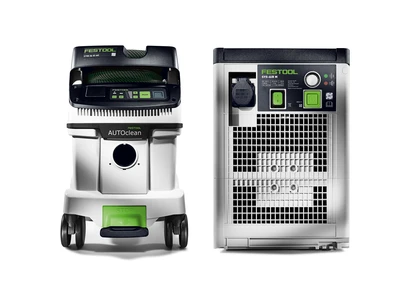
Yes, but you should make sure that your vacuum cleaner is not too big or too heavy for use on the construction site. The automatic cleaning function (AUTOCLEAN) is also an advantage here.
In a workshop, it is not advantageous to use a small CT SYS vacuum cleaner when using machines that generate a lot of dust such as Routers or Planers. This is because the container of this vacuum cleaner would be full within a few seconds. In such cases, devices with a larger dust container should be used, such as a CT 26 or larger.
Depending on the material to be vacuumed, the appropriate dust class should be selected - whether on the construction site or in the workshop.
Dust-free working is a top priority for Festool. This is demonstrated by the fact that we at Festool develop and produce our own dust extractors. And they are also optimally matched to our power tools. After all, the best suction performance for virtually dust-free work can only be achieved if the tool, Hose and dust extraction unit are perfectly matched. All devices are subjected to tough test conditions and must fulfil our highest expectations. Based on your requirements and experience, we develop products with optimised ergonomics, the best possible suction power and useful accessories. Our vacuum cleaners are constantly being further developed to support you in your work quickly, easily and cleanly. In addition, the vacuum cleaners offer many other benefits such as:
- All-inclusive warranty for 3 years, including spare parts and theft protection
- Very powerful suction power and adjustable suction volume
- Bluetooth technology
- Coupling option for Systainer (T-LOC)
- Touch control panel
- Suction hose antistatic version
- Stable, construction with steel axles
- Large wheels and reinforced body
- Fully utilisable container volume
- Cable rewind
- Perfectly fitting connections to Festool tools (bayonet lock)
- Hose holder and secure storage area for tools
- Automatic main filter cleaning AUTOCLEAN
- Depending on requirements, we offer mains-powered vacuum cleaners for the workshop or with a rechargeable battery for mobile work
* Warranty all-inclusive is valid for all Festool tools registered within 100 days of purchase. The Festool warranty terms and conditions shall apply and are available at www.festool.co.uk/warranty-terms-and-conditions.
** "Full repair, free of charge" also applies to battery packs and chargers, but not to other consumables and accessories, or to tools that have been dismantled, or to damage caused by improper use, the use of non-original spare parts, or in the event of continuous use resulting in extensive wear.


