














Whether in the workshop, on the construction site or at home: The Festool App is your companion for smart working and perfect results.
Scan the QR code and install the app.
The dovetail joint is an effective timber joint used in timber construction to connect secondary beams to main beams. This example demonstrates how to create a joint between rafters and the ridge purlin using the OF 2200 router and a LIGNATOOL routing jig.
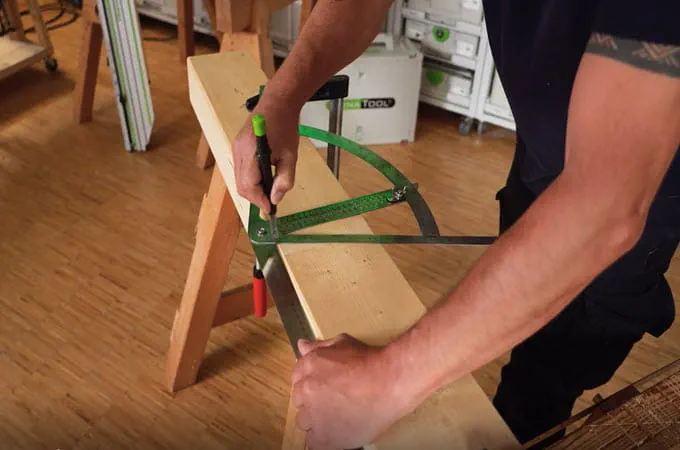
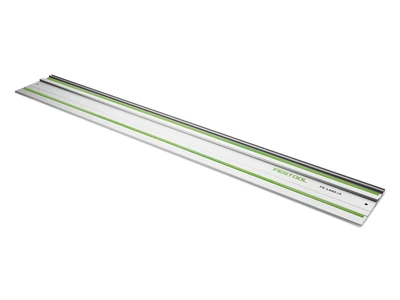
The rafters are cut to size using the trimming guide.
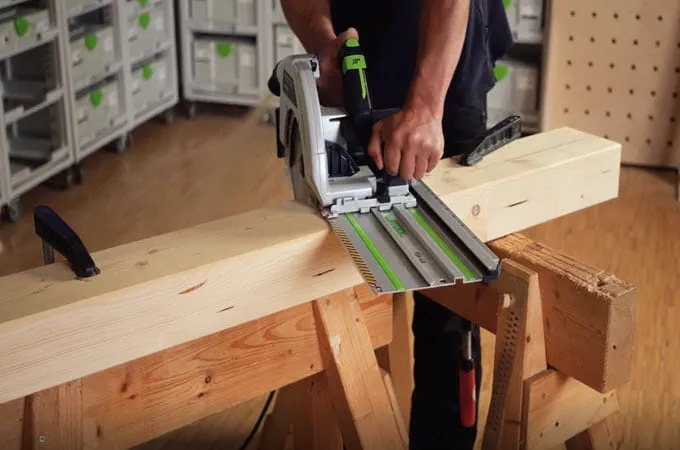
The rafters are secured with screw clamps to prevent them from slipping.
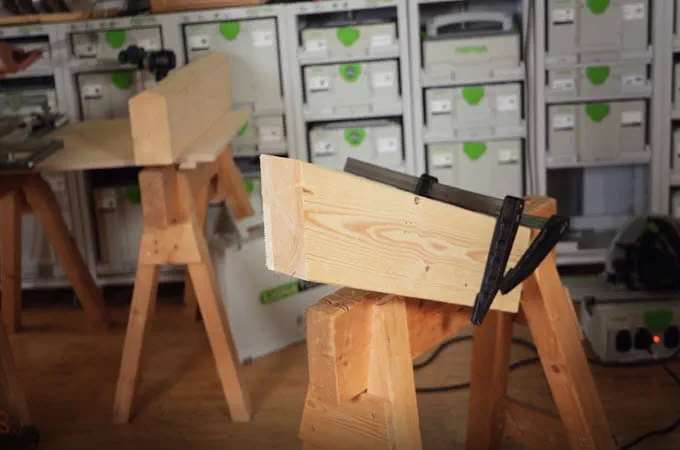
On the template, the stop arms must be adjusted to the roof pitch and the length of the tenon. The first step is therefore to measure and note the angle directly on the rafter.
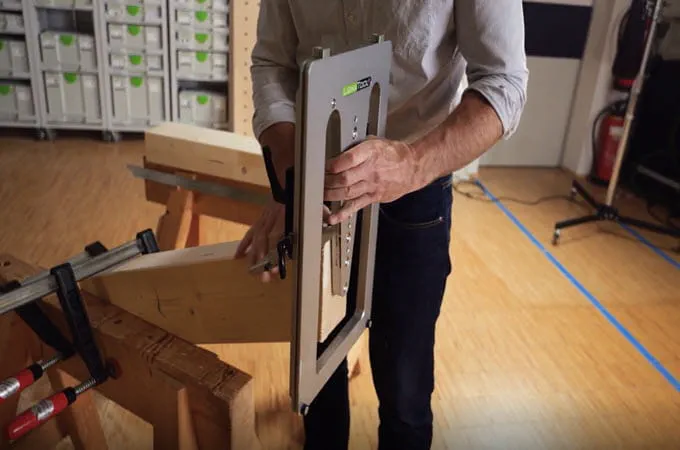
In our example, the length of the tenon was 12 cm plus a difference dimension of 9.1 mm. The difference dimension is calculated using the tangent function. It depends on the length of the tenon and the roof pitch.
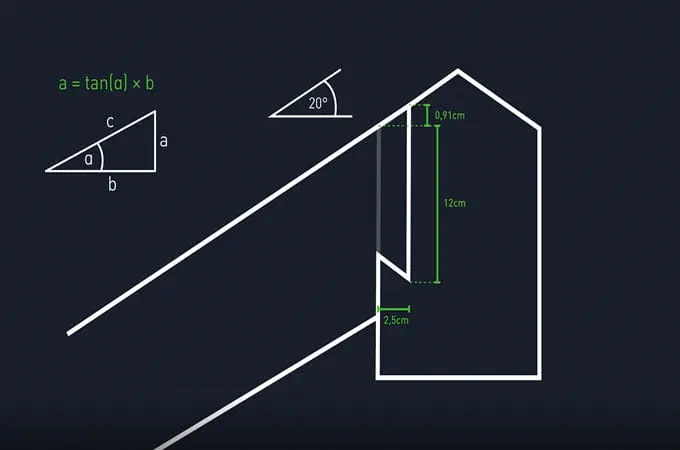
The jig can now be fitted to the rafters. The jig is secured to the workpiece using screws. Guide carriages and chip guards are also fitted.
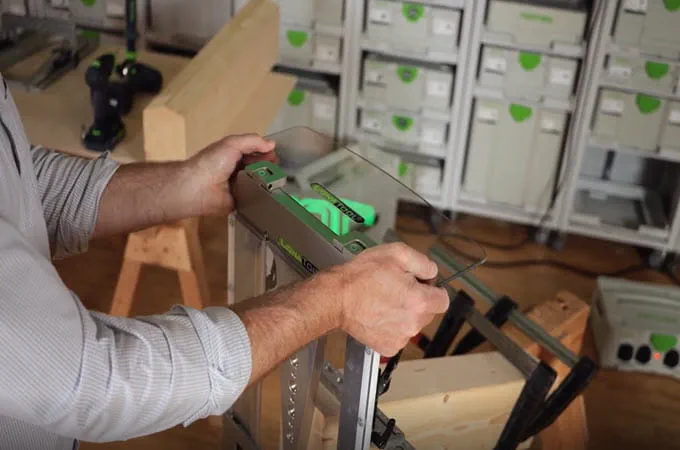
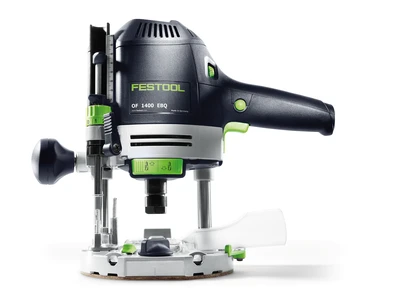
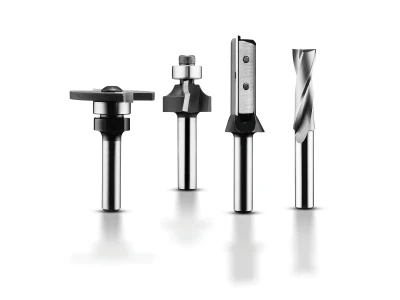
The OF 2200 router comes complete with the base plate and the router bit.
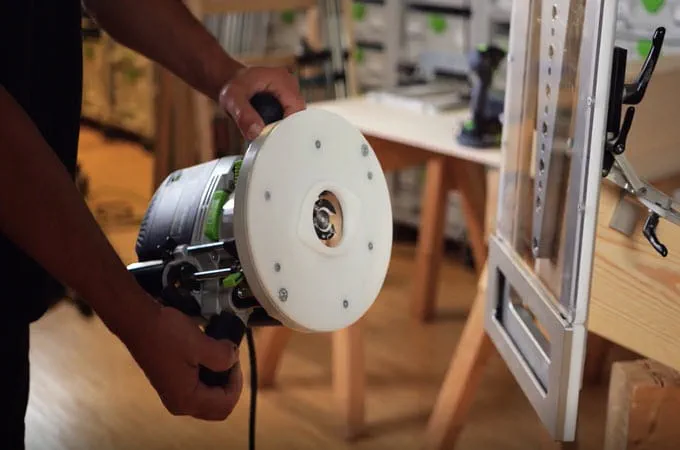
The router is clamped to the jig and the cutting depth is then set. In our example, the cutting depth is set to 25 mm. The fine-adjustment feature, which allows for adjustment to the nearest tenth of a millimetre, is particularly handy.
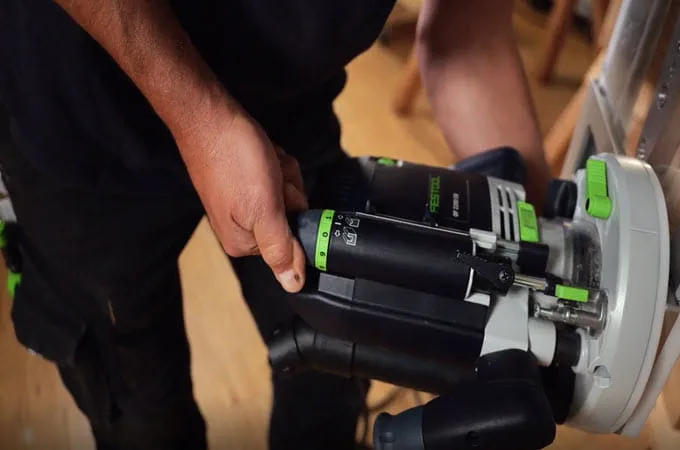
The first milling operation can now be carried out. It is always advisable to carry out a test milling of both components and then check the fit.

First, the edge area is milled to prevent chipping, and then the inner area is milled out.

The template is adjusted to match the roof pitch by placing the stops against the chamfer and securing them in position.

Once the roof pitch has been set (20° in this case), the tenon length can be adjusted (12 cm in this case).

The template is positioned against the axis mark and secured with a locking screw.

Once the guide carriage and chip deflector have been fitted, the milling cutter can be mounted on the carriage. The milling operation can now be carried out. The milling depth is maintained.

Milling is carried out in a clockwise direction. To avoid tearing out the wood, start by milling briefly on the right-hand side and then switch to the ‘correct’ side. The same applies here: it is best to carry out a test cut first.

Once a test cut has been made on the tenon and mortise, all the cuts can be made and the parts then assembled. The rafter is simply hooked into the mortise via the dovetail tenon and fitted into place using a heavy rubber mallet.

A locking screw, turned in at an angle, secures the rafters to prevent them from slipping out, and the joint is complete.

The finished dovetail joint is a very strong joint that allows for quick assembly. What’s more, it requires virtually no metal fastenings. And the best thing about it is that it looks good too.


